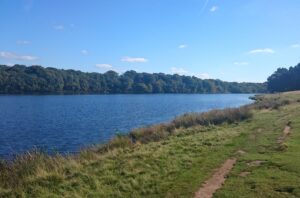
Inviting but is it worth the risk?
Summer time means sun (hopefully), ice cream and picnics with friends and family, it should be a time to create happy memories in the warm weather.
Sadly each year we read of or hear stories about people who drown while cooling off in reservoirs, lakes or quarries. Many youngsters jump into these very inviting bodies of water, only to find themselves in difficulty.
Hidden dangers
Reservoirs and lakes look relatively benign but dangers are often hidden. Reservoirs in particular, may have hidden machinery under the surface. Strong currents can be caused by the water being pumped from the reservoir into the water supply. There are often changes in the depth of the water, uneven surfaces, sharp rocks and other debris all of which can cause injuries.
Another hidden risk is disease. Anyone who decides to take a dip in untreated water leaves themselves vulnerable to illness from bacteria or parasites. Especially if they injure themselves. Naturally occurring but highly toxic blue green algae can cause skin rashes or illness and grows readily on the surface of the water. Where people and animals are likely to come into contact with it.
Water temperatures often never get above 11℃, even on hot days. Even strong swimmers can’t endure temperatures below 15℃. If a person jumps into the water, the sudden change in temperature means they risk going into shock. This can happen to some individuals with water temperatures as high as 25℃. A natural reaction of the body is for your breath to be taken away and you can swallow water. In colder water, hypothermia can quickly set in, which in turn can lead to heart failure. The cold temperature affects the muscles in the body too. Cramps, spasms and numbness can mean that you lose control of your legs. Eventually you can sink below the surface, possibly while still fully conscious.
You can drown within minutes and may not be able to shout for help. Friends or family would be putting themselves in danger if they attempt a rescue. Left to watch helplessly. Reservoirs and quarries are often in isolated areas, by the time help arrives, it’s often too late.
Heed the warning signs
Large bodies of water, usually have warning signs or flags, heed them. Don’t attempt to climb over any fences or barriers, they, like the warning signs, are there for a reason. Take a moment to read the information on them, they are not advisory and following their instructions could save your life or the lives of your children.
Swimming safely
Swimming pools are the safest option if you or your children want to splash about with friends. Your local council will have information on the pools nearest to you. If you wish to experience swimming outdoors there are a number of outdoor swimming clubs around the country. For the adventurous there are also groups that go bog diving. Further information can be provided by your local water utility company and council. Fire services often have further useful advice on how to keep your family and friends safe near water.